Preparedness
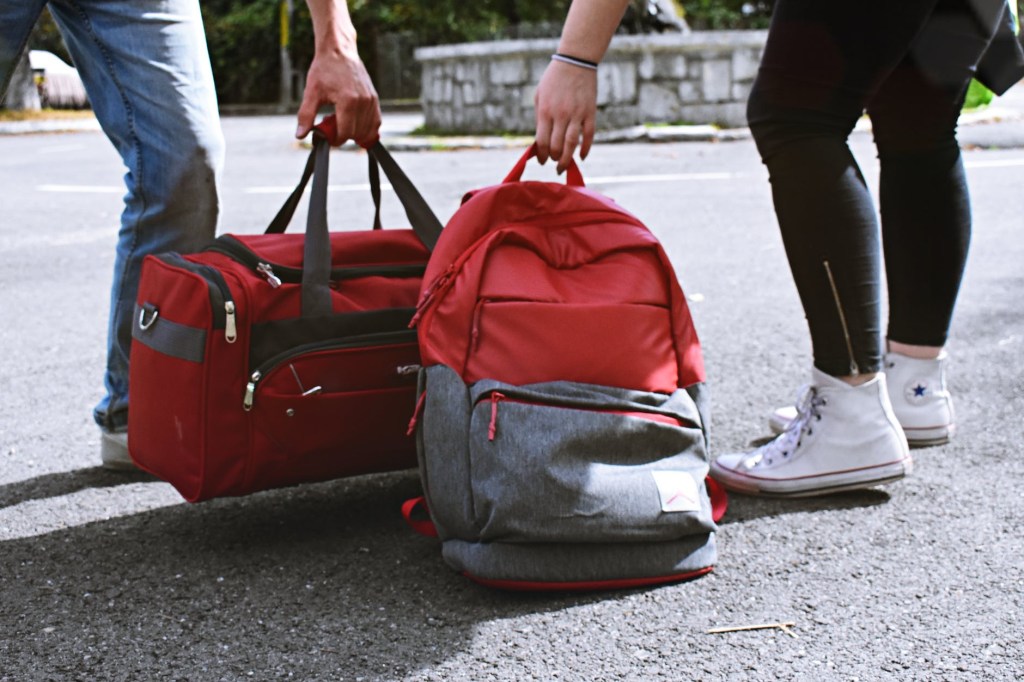
Were you prepared when COVID-19 started? You were probably not, at least for the specific disease. But you could have prepared for a pandemic like this if you didn’t stick to just one plan.
So far, we learned that health is not the only thing that this pandemic has affected. It has also affected industries, the economy, the stock market, maybe your source of income, your food supplies and other personal home supplies.
If you weren’t prepared enough, you could be one of those people worrying about how to survive a long duration quarantine or worse, a lockdown. Do you have enough cash to keep yourself fully stocked? Do the grocery stores, pharmacies, and shops for other essential stuff still have enough supplies to meet your neighborhood’s demands? What if the answer is no?
Risk management
In life, there are lots of risks. And at this time, this pandemic puts a lot of things at risk. We may not be able to totally avoid the risk, but we can lessen the risk. We must always have back-up plans. That’s right! Not a back-up plan, but back-up plans!
Continue reading and I’ll be discussing 3 things we should learn from this pandemic.
- Emergency Fund
- Health/Life Insurance
- Proactive/Preventive actions
Emergency Fund for the Inevitable
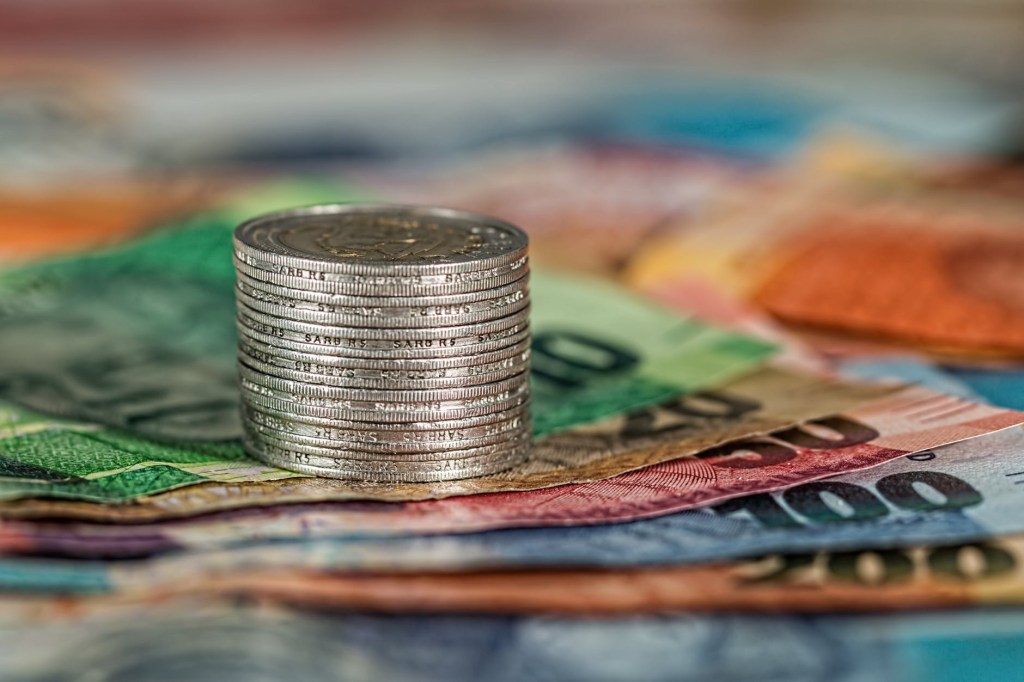
COVID-19 is definitely an emergency, whether for the confirmed cases or for those wishing they’re not.
No matter what your status in life is, you must know the value of an emergency fund. Whether you agree or not, you may roughly survive but it’s gonna be hard to keep everything going without cash for a month or more. Unless you’re living in the jungle, you hunt or farm your own food, and you live a completely remote life free of money.
An emergency fund is essential when you run into an emergency, obviously. Take this pandemic for example. What would happen if your work, business, or simply your source of income has become incapable of producing money for your everyday living? Do you have enough savings to feed you daily, pay for your monthly bills and other expenses?
There are many instances that can cripple your cashflow. For example, your employer’s business is affected so the owner has to suspend workers without pay. Same thing if you’re the business owner. If you’re a contract worker, it makes it more difficult a situation.
So if cash isn’t flowing in, how will you and your family survive? How will you buy food or pay the bills? Because the bills is the only thing that’s not gonna stop. The answer is, your emergency fund should be able to take care of you for 3 to 6 months — if you have one.
Don’t have one now and you feel you’re one of those in trouble because of this? Is it too late to do this? Maybe. But at least for future emergencies, you can always start NOW.
How do you start an emergency fund? Let me talk about that in a different article
The importance of Health and Life Insurance
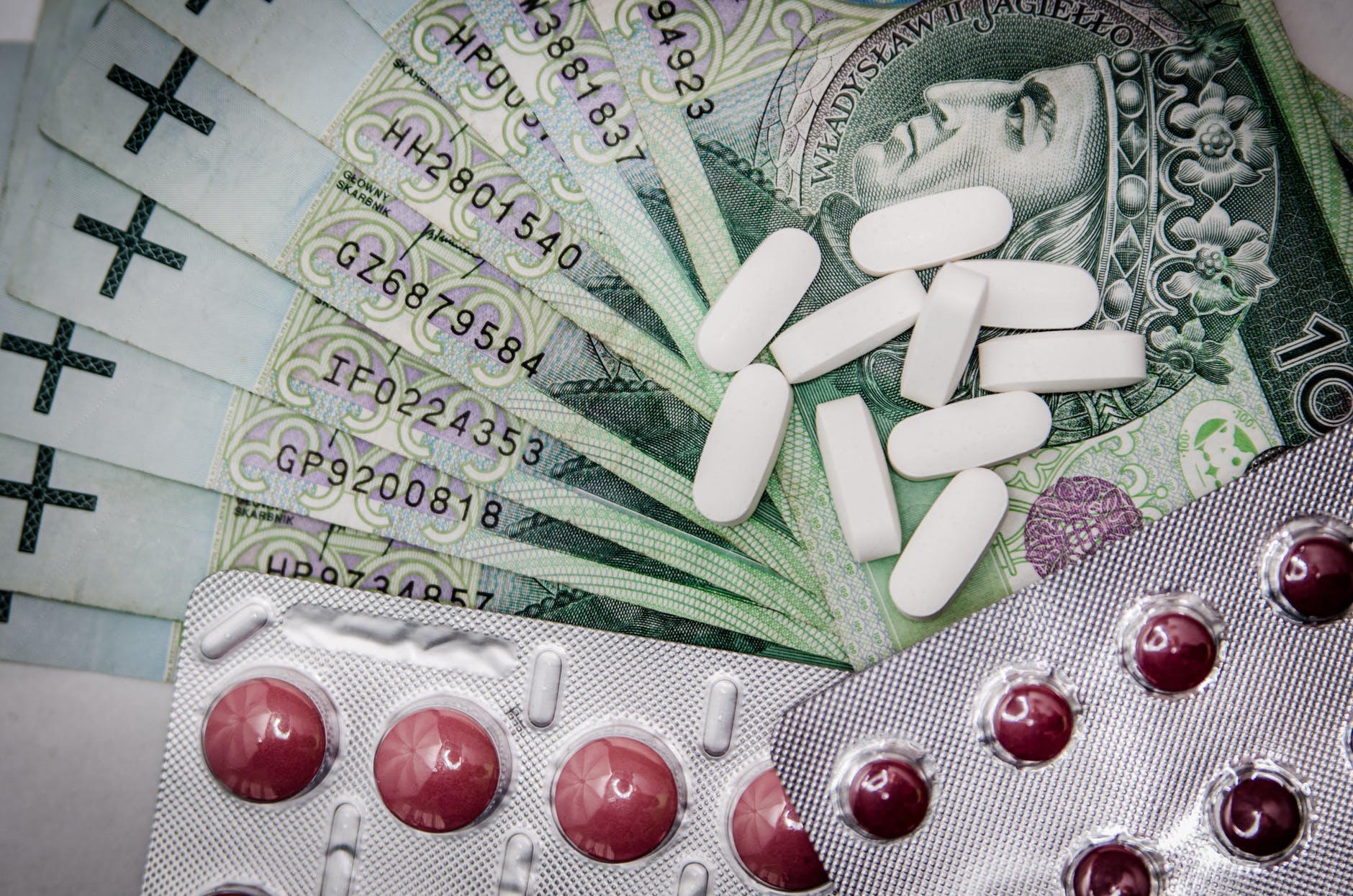
There are still a lot of people who don’t believe this is important, or at least people think it’s a waste of money. But insurance is what it says it is. It insures you get financial support when you need it.
Health insurance
What if you suddenly fall ill to a critical disease? Worse, what if it’s a pandemic disease and the amount required to get tested, treated, or cured is far from the amount you see on your monthly paychecks? Whose going to pay for your medical bills? Will you take a cash loan? Will you beg in social media? from families and friends? from strangers in public transits? Do you really have to do that because you didn’t prepare for such a scenario? And what if you don’t get the support you need?
Health issues and death are both unpredictable. My two healthy uncles died from lung cancer. It’s the most unpredictable disease they’ve ever got. We never could tell how they got them since they’ve always stayed away from common factors that causes it — like cigarettes, pollution, and the likes.
So however healthy you are, you’re still vulnerable to the most unpredictable diseases. Will you risk being sick and helpless? Not when you can insure yourself!
Life insurance
How about life insurance? A health insurance doubles as a life insurance. If you pass away, what’s left of your health insurance will automatically be insured to your loved ones. They are basically your beneficiaries. Your spouse, kids, parents, other relatives, or whoever you want to leave all your life earnings with behind.
A health insurance is self-security. Life insurance is a security for the people you will leave behind when you die. It makes it easier for them to continue life on a financial aspect.
Most people leave nothing behind when they die. Some people leave debts and other financial burden when they pass away. Would you be that person, or will you be the one whom even when you’re gone or before you die, you will be at peace — knowing that you’re still able to provide them financial support despite your buried body 6 feet below.
Being proactive and preventive VS being reactive

If you’re one of the unlucky ones, you probably ended up with nothing more to buy because greedy ones have hoarded tons of supplies for themselves in a panic buying event. The problem there is how people have become more reactive than to be more proactive and preventive of the situation.
Some people tend to downplay situations, and only start scrambling with the rest of the flock once the situation has already worsen.
Change your habits. Be prepared for anything. Anticipate the worst. It’s not being paranoid. It’s called “calculated risk management”. You’re not going to plan on hoarding just like how stupid people do during panic buying. You buy extra supplies enough to keep you going for a month or so in case an emergency strikes.
It’s not even just about a pandemic. It can be any natural disaster or any kind of emergency. It’s not called emergency for nothing.
Always have an
- Emergency kit
- Emergency bag
- Emergency cash
You’ll never know when things will go south. If you can predict it, then better. But in most cases, being prepared for the unknown is better than acting on a problem once it’s already there.
This is different from worrying about something that hasn’t even happened yet. You don’t worry when you’re proactive. You act on it so you won’t have to worry when it does.
 In My Opinion